About

The Indian Judiciary is partly a continuation of the British legal system established by the English in the mid-19th century based on a typical hybrid legal system in which customs, precedents and legislative law have validity of law. The Constitution of India is the supreme legal document of the country. There are various levels of judiciary in India — different types of courts, each with varying powers depending on the tier and jurisdiction bestowed upon them.

Our History

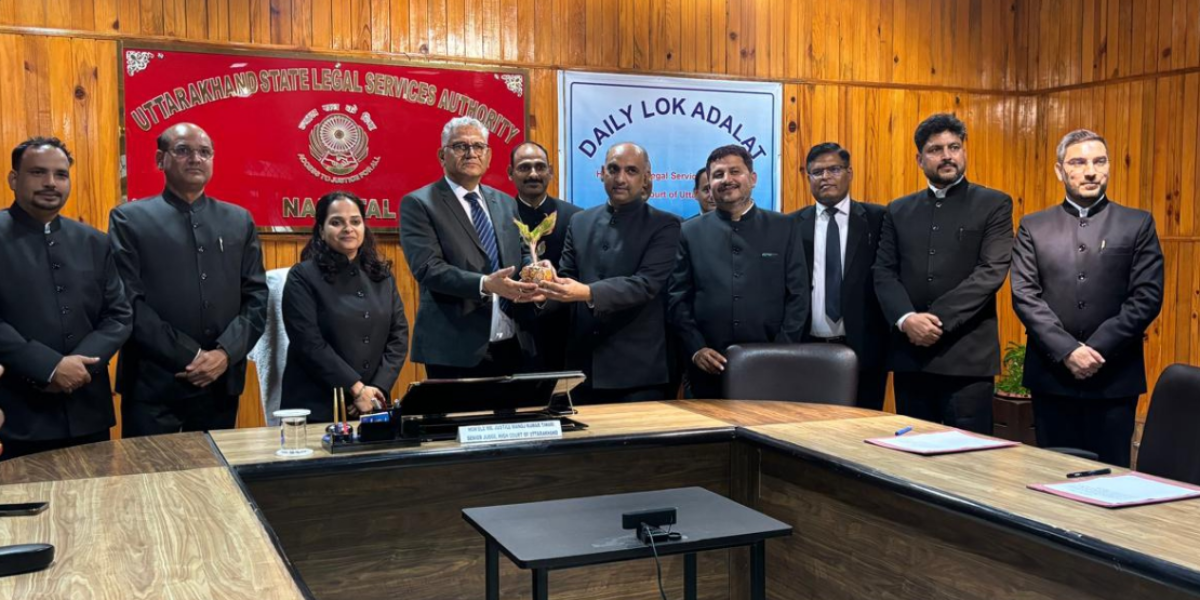
The Uttarakhand Judges Association traces its origin to the formation of the state on November 9, 2000, when judicial officers were still part of the Uttar Pradesh Judicial Services Association. On November 9, 2001, the Association held its first administrative meeting in Haridwar, forming its initial executive committee. The first convention was later held on June 12, 2005, in Dehradun. Since its inception, the Association has worked to resolve the issues faced by judicial officers during the transition period. In 2024, it was formally revived by the Hon’ble Uttarakhand High Court, leading to its first official elections.

Our Vision

To build a united, empowered, and dignified judicial community in Uttarakhand that upholds integrity, ensures the welfare of its members, and actively contributes to the development of a fair and efficient justice system. We strive to create a strong support network for judicial officers through transparent leadership, professional growth opportunities, and access to essential resources, while fostering collaboration, well-being, and respect across all levels of the judiciary.

Latest Updates

हम भारत के लोग ……………. बनाम “समाजवाद”, “पंथनिरपेक्षता”

भारतीय संविधान की प्रस्तावना में प्रमुख शब्द “हम भारत के लोग…. सार्वभौम, समाजवादी, पंथनिरपेक्ष, लोकतांत्रिक गणराज्य” हैं। भारतीय संविधान के सबसे पवित्र शब्द हैं। ये वह शब्द हैं जो भारतीय …